


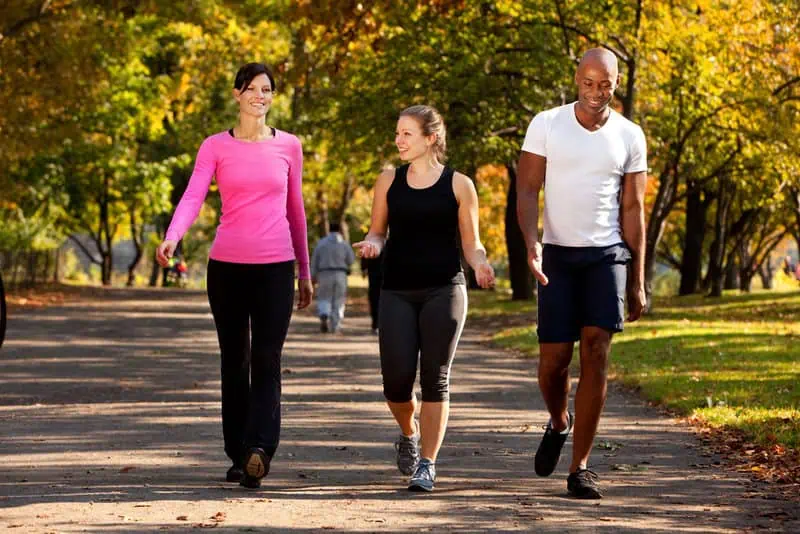
The Surprising Power of Walking for Fitness
It’s easy to underestimate walking because it doesn’t have the same flashiness as running or the intensity of a gym workout. However, walking for fitness is a powerful tool that can transform your health and well-being. It caters to all fitness levels and can be done almost anywhere. The simplicity and accessibility of walking make it an ideal choice for anyone seeking a lifestyle change.
The Benefits of Walking
There are countless benefits to incorporating walking into your daily routine. Some of the most notable include:
- Cardiovascular Health: Walking helps to improve heart health by increasing your heart rate, thus enhancing blood circulation.
- Weight Management: Regular walking burns calories, contributing to weight loss and maintenance.
- Mental Health: Walking, particularly in nature, can reduce stress and anxiety levels, promoting overall mental well-being.
- Bone and Muscle Strength: Walking strengthens muscles and bones, reducing the risk of osteoporosis and improving balance.
- Social Connections: Walking with a friend or a walking group can foster stronger social bonds.
Walking vs. Other Forms of Exercise
It’s natural to compare walking to other forms of exercise to understand its effectiveness better. Here’s a breakdown of how walking stacks up:
| Metric | Walking | Running | Cycling | Gym Workouts |
|---|---|---|---|---|
| Calorie Burn | Moderate | High | Moderate to High | High |
| Impact on Joints | Low | High | Low to Moderate | Varies by exercise |
| Equipment Needed | Minimal (comfortable shoes) | Running shoes, optional gear | Bike | Various equipment |
| Accessibility | Very high | High | Medium | Medium to Low |
| Social Aspect | High | Medium | Medium | Medium to Low |
The Science Behind Walking
You might wonder, how exactly does walking improve your health? When you walk, your heart rate increases, pumping more oxygen and nutrients through your bloodstream. This process helps to improve cardiovascular health, boost energy levels, and enhance overall physical fitness. The rhythmic nature of walking also triggers the release of endorphins, often referred to as “feel-good” hormones, which elevate your mood and reduce feelings of stress.
Getting Started with a Walking Routine
Starting a walking routine is straightforward, but having a plan can make it more effective and enjoyable.
Setting Realistic Goals
Goals are essential when starting any fitness routine. Whether it’s walking a certain number of steps each day or committing to a specific amount of time, having a target can help you stay motivated. Here are some tips for setting realistic walking goals:
- Start Small: Begin with short, manageable walks if you’re new to fitness or returning after a long break.
- Progress Gradually: Increase your walking duration and intensity gradually to avoid injury and ensure long-term adherence.
- Be Specific: Set specific goals, such as “walk for 30 minutes, five times a week,” rather than vague goals like “walk more.”
- Track Your Progress: Use a pedometer, smartphone app, or fitness tracker to monitor your steps and progress over time.
Preparing for Your Walk
Preparation can enhance your walking experience and ensure you stay safe and comfortable.
Choosing the Right Gear
The good news is you don’t need much to start walking. However, a few key items can make a big difference:
- Comfortable Walking Shoes: Invest in a pair of well-fitting, supportive walking shoes to protect your feet and joints.
- Appropriate Clothing: Wear lightweight, breathable clothing in warmer weather and layer up when it’s cold.
- Hydration: Carry a water bottle to stay hydrated, especially for longer walks.
Picking Your Route
Your walking environment can significantly impact your experience. Choose routes that match your preferences and fitness level:
- Local Parks: Ideal for nature lovers, offering scenic views and fresh air.
- Neighborhood Walks: Convenient and a great way to explore your surroundings.
- Treadmills: A handy option for inclement weather or those who prefer indoor exercise.

Making Walking a Part of Your Lifestyle
Integrating walking into your daily routine ensures it becomes a sustainable habit rather than a sporadic activity.
Walking Strategies for Different Lifestyles
Everyone’s lifestyle is different, and certain strategies can help fit walking into your day, no matter how busy you are.
For the Busy Professional
If you’re strapped for time due to work commitments:
- Walk During Lunch Breaks: Use part of your lunch break to take a brisk walk.
- Walk Meetings: Suggest walking meetings when appropriate.
- Commute on Foot: If possible, walk part of your commute or park further away.
For Stay-at-Home Parents
Parents often have erratic schedules, but walking can be a family-friendly activity:
- Walk with Your Kids: Take a stroller if needed and make it a fun exploration activity.
- Use Playgrounds: Walk around while your kids play.
- Join a Parent Walking Group: Socialize with other parents while staying active.
Keeping Motivation High
Consistency is key to reaping the benefits of walking for fitness. Here are some tips to stay motivated:
- Mix It Up: Vary your routes and walking routines to keep things interesting.
- Set Challenges: Challenge yourself with new goals or join a walking event or charity walk.
- Reward Yourself: Celebrate milestones with small rewards.
- Stay Social: Walk with friends, family, or join a local walking group.
Advanced Walking Techniques
Once you’ve established a regular walking habit, you might be interested in adding variety or increasing intensity to your routine.
Power Walking
Power walking involves walking at a brisk pace, usually between 4-5.5 mph. This technique provides a more intense workout, increasing calorie burn and cardiovascular benefits.
How to Power Walk
- Posture: Keep your head up, back straight, and shoulders relaxed.
- Arm Motion: Bend your arms at a 90-degree angle and swing them as you walk to enhance momentum.
- Stride: Take shorter, quicker steps rather than long strides.
- Pace: Aim for a brisk pace that gets your heart rate up but still allows for conversation.
Incorporating Intervals
Interval training involves alternating between periods of high and low intensity. It can enhance calorie burn and cardiovascular fitness.
Sample Interval Walking Routine
| Interval | Duration |
|---|---|
| Warm-up (easy pace) | 5 minutes |
| Fast Pace | 1 minute |
| Moderate Pace | 2 minutes |
| Repeat | 5-10 times |
| Cool-down (easy pace) | 5 minutes |
Adding Weights
Incorporating weights into your walking routine can help build muscle strength and increase the intensity of your workout.
Tips for Using Weights
- Start Light: Begin with light weights (1-2 pounds) and increase gradually.
- Hand Weights or Vests: Use hand weights or a weighted vest for a balanced workout.
- Avoid Heavy Weights: Heavy weights can strain your joints and alter your natural walking form.

The Mental and Emotional Journey
Walking isn’t just a physical activity; it’s also a journey that benefits your mind and spirit.
Mindfulness in Motion
Walking is an excellent way to practice mindfulness, helping you stay present and connected to your surroundings.
How to Walk Mindfully
- Focus on Breathing: Pay attention to your breath, taking deep, calming breaths.
- Stay Present: Notice the sights, sounds, and smells around you.
- Body Awareness: Be aware of how your body feels as you walk, from the ground beneath your feet to the movement of your arms.
Emotional and Mental Health Benefits
Walking can significantly enhance your emotional well-being. Some benefits include:
- Stress Reduction: Walking can lower levels of cortisol, the stress hormone.
- Improved Mood: The release of endorphins can help lift your mood and reduce anxiety.
- Enhanced Creativity: Walking has been shown to boost creative thinking and problem-solving skills.
Walking for All Ages
Walking is a versatile activity suitable for all ages, from young children to seniors.
Walking with Children
Encouraging children to walk sets the foundation for a lifelong habit of physical activity. Make walking fun by turning it into a game or an adventure.
Walking as an Adult
For adults, walking can be a cornerstone of a balanced fitness routine. It’s an excellent way to break up sedentary workdays and keep energy levels up.
Walking for Seniors
For seniors, walking is a low-impact way to stay active, enhancing balance, flexibility, and overall health. It’s also a great way to stay socially engaged and mentally sharp.
Overcoming Challenges
Like any fitness routine, walking can come with its set of challenges. Knowing how to overcome these can help you stay on track.
Common Obstacles and Solutions
Lack of Time
Finding time to walk can be tough, but not impossible.
- Mini Walks: Break your walking time into smaller chunks throughout the day.
- Prioritize: Schedule your walks as you would any important appointment.
Weather Conditions
Inclement weather shouldn’t stop you from walking.
- Indoor Walking: Use a treadmill or find an indoor walking track.
- Dress Appropriately: Invest in weather-appropriate gear for rain, snow, or heat.
Physical Discomfort
If you experience discomfort while walking, consider these solutions:
- Proper Footwear: Ensure your shoes provide adequate support.
- Stretching: Incorporate stretching before and after your walks.
- Consult a Professional: If discomfort persists, consult a healthcare professional.
Walking: A Lifelong Journey
Walking for fitness is more than just a way to stay in shape; it’s a journey that enhances your quality of life in countless ways. From the physical benefits to the mental and emotional gains, walking is a holistic approach to well-being that can be embraced at any age or fitness level.
Reflecting on Your Walks
Taking time to reflect on your walking journey can deepen your appreciation for the benefits you’re experiencing. Consider keeping a walk journal where you note your progress, observations, and how you feel after each walk.

Looking Ahead
As you continue on your walking journey, keep exploring new paths and setting new goals. The path of walking for fitness is both serene and empowering, offering a quiet resilience that grows with each step you take.
Incorporating walking into your daily routine can truly transform your life, providing a serene path to fitness that nurtures your body, mind, and spirit. So why not lace up your shoes and start your journey today? Your future self will thank you.

